Chevy Camaro RS: Decoding the Meaning Behind the Letters
The Legacy of the Chevrolet Camaro RS
The Chevrolet Camaro once stood as a symbol of affordable, high-performance sports cars that could be customized to suit individual tastes. However, in recent years, it has become a casualty of the growing trend among buyers and manufacturers toward SUVs, electric vehicles, and more economical options. When the Camaro first rolled out in 1966, it was introduced as a direct competitor to the Ford Mustang. Over the course of six generations, it delivered some of the most iconic and powerful models that continue to captivate car enthusiasts today.
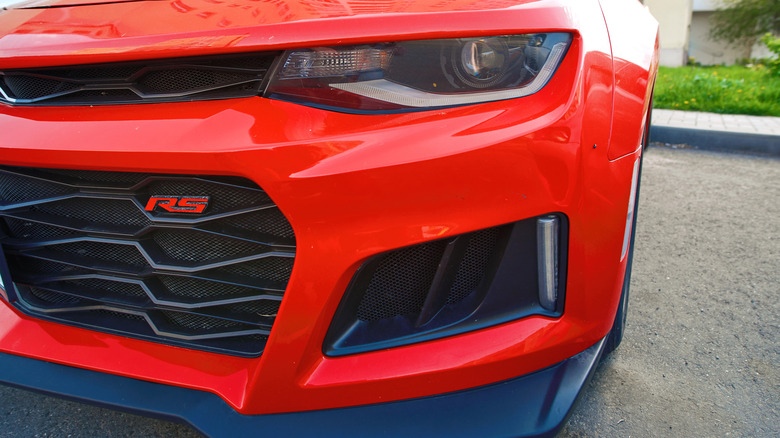
Among these models, the Camaro RS stands out as one of the most visually striking versions of the vehicle. But not everyone is aware of what the "RS" in Camaro RS stands for. In this case, RS stands for Rally Sport, which refers to the sporty design elements that distinguish this package from the standard Camaro models. The RS package was originally introduced with the first generation of the Camaro and provided a set of cosmetic upgrades aimed at enhancing the car's performance-oriented appearance.
For example, the 1967 Camaro RS featured improvements such as hideaway headlights, unique taillights, special RS badging, and exterior rocker trim. These features helped give the Camaro a more aggressive and dynamic look. While the specific content of the RS package varied slightly across different generations, its primary purpose remained the same: to elevate the visual appeal of the Camaro and make it more attractive to buyers seeking an upgraded look.
As the Camaro line came to an end in 2024, the Camaro RS became unavailable for purchase as a new model. This marks the conclusion of a long and storied history for one of the most recognizable packages in Chevrolet’s lineup.
Understanding the Camaro RS Package
In the sixth-generation Camaro, the RS package added $1,950 to the price of a standard model. It was available on several trims, including the 1LT, 2LT, 3LT, and LT1. The package included a range of aesthetic enhancements such as a special RS front grille, a rear spoiler, 20-inch gray wheels (with other wheel options also available), and dark-tinted taillights. These features helped distinguish the RS model from its non-RS counterparts.
Unlike other Camaro packages, such as the SS 1LE Track Performance package, the RS package focused solely on the appearance of the vehicle. The SS 1LE, for instance, included performance-enhancing components like a performance suspension, Brembo four-piston front brakes, and a limited-slip differential, all of which impacted the car's handling and speed.
Engine Options in the Camaro RS
The engine specifications in the Camaro RS depended on the model. The 1LT, 2LT, and 3LT trims came with a standard turbocharged 2.0-liter four-cylinder engine producing 275 horsepower and 295 pound-feet of torque. However, customers had the option to upgrade to a 335-horsepower V-6 engine. On the other hand, the LT1 trim with the RS package featured a naturally aspirated 6.2-liter V-8 engine, delivering 455 horsepower and 455 pound-feet of torque.
Despite no longer being in production, the Camaro RS remains a standout trim that offered both style and performance. Its legacy continues to live on among car enthusiasts who appreciate its distinctive design and heritage.
Conclusion
The Camaro RS was more than just an optional package—it was a statement of style and performance. From its introduction in the original Camaro to its final iteration in the sixth generation, the RS package consistently elevated the visual appeal of the vehicle while maintaining its core identity as a high-performance sports car. As the Camaro line comes to an end, the RS remains a memorable part of Chevrolet’s automotive history.